Introduction
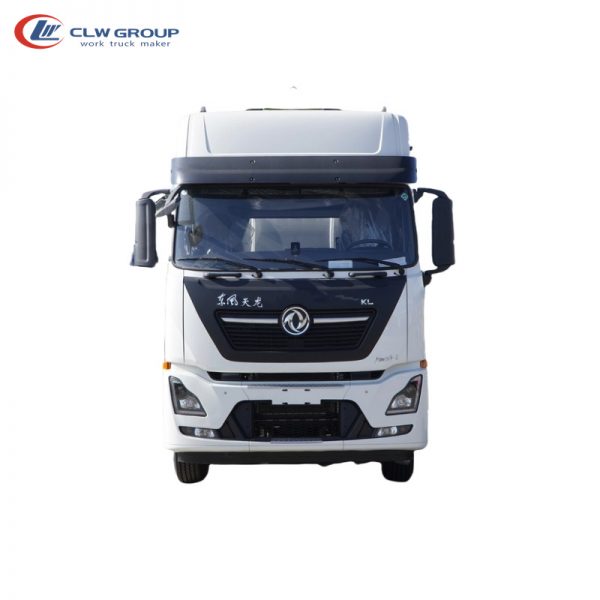
Box trucks are essential vehicles used in a wide range of industries for transporting goods and materials. While functionality and practicality are crucial factors in the design of box trucks, the exterior aesthetic also plays a significant role. The exterior design of a box truck not only serves as a branding tool for businesses but also contributes to the overall impression and visibility of the vehicle on the road. In this article, we will delve into the world of box truck exterior design, exploring the various elements that go into creating a visually appealing and functional vehicle.
History of Box Truck Design
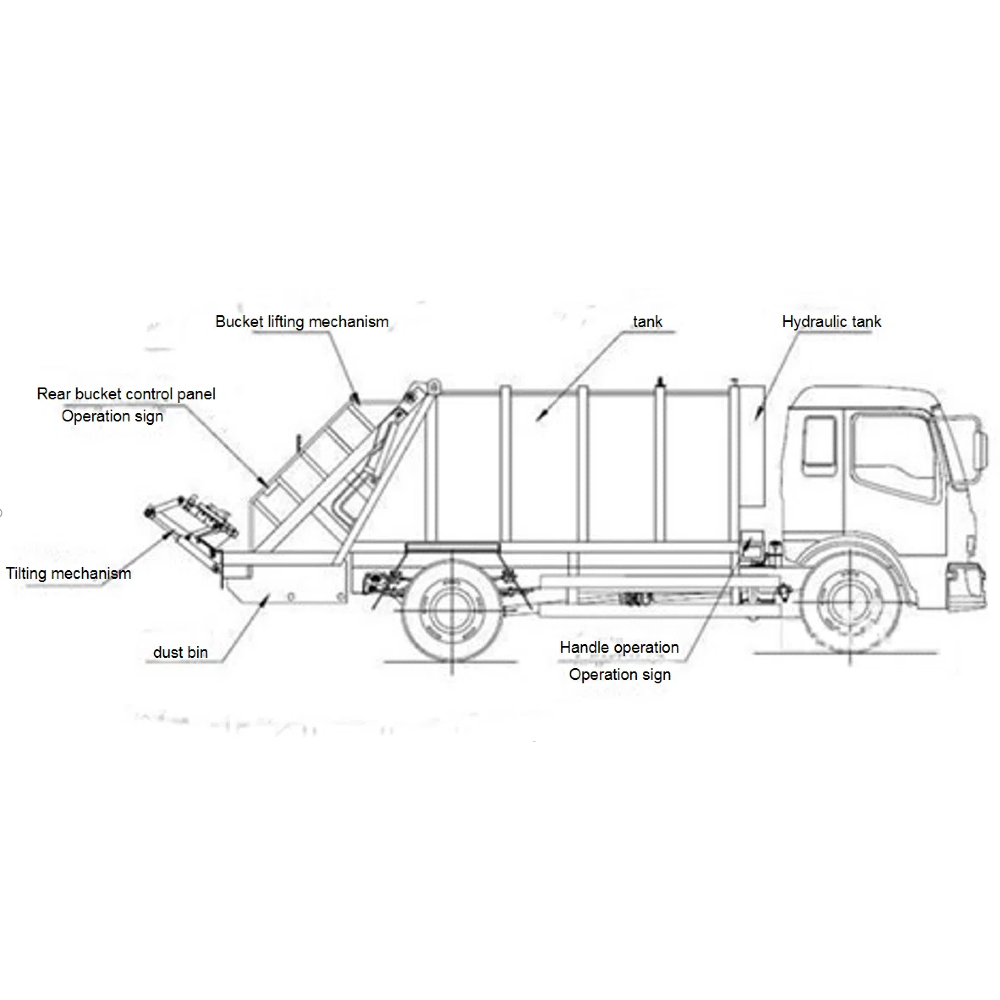
Box trucks, also known as straight trucks or cube vans, have been a staple in the transportation industry for decades. The design of box trucks has evolved over time, reflecting changes in technology, materials, and consumer preferences. In the early days, box trucks were simple, utilitarian vehicles with basic box-shaped bodies mounted on a truck chassis. As Rescue truck GPS tracking grew and diversified, box truck design began to incorporate elements of style and branding to differentiate vehicles and attract customers.
Elements of Box Truck Exterior Design
1. Body Style
The body style of a box truck is one of the most defining features of its exterior design. Box trucks can come in various sizes and configurations, from small delivery vans to large freight trucks. The shape and dimensions of the box body play a crucial role in determining the overall look and functionality of the vehicle. Some common body styles for box trucks include cube vans, dry freight trucks, refrigerated trucks, and flatbed trucks.
2. Materials
The materials used in the construction of a box truck body have a significant impact on its exterior design. Aluminum and fiberglass are commonly used materials due to their lightweight and durable properties. These materials can be easily molded and shaped to create sleek and aerodynamic designs. Additionally, the choice of materials can affect the overall weight and fuel efficiency of the vehicle.
3. Color Scheme
The color scheme of a box truck is an important aspect of its exterior design. The choice of colors can enhance brand visibility, create a cohesive look with other vehicles in a fleet, and make the truck stand out on the road. Many businesses choose to incorporate their branding colors and logos into the design of their box trucks to create a consistent and recognizable identity.
4. Graphics and Decals
Graphics and decals are commonly used in box truck exterior design to convey important information, promote branding, and enhance the visual appeal of the vehicle. Eye-catching graphics, such as company logos, product images, and contact information, can help make a box truck more memorable and engaging. Additionally, reflective decals and safety markings are essential for ensuring the visibility and safety of the vehicle on the road.
5. Lighting
Proper lighting is crucial for box trucks, both for safety and aesthetic purposes. Exterior lighting elements such as headlights, taillights, turn signals, and brake lights help improve visibility and signaling on the road. Additionally, interior lighting in the cargo area of a box truck is essential for loading and unloading goods in low-light conditions. LED lighting technology is commonly used in modern box trucks for its energy efficiency and long lifespan.
6. Aerodynamics
Aerodynamics play a significant role in the exterior design of box trucks, affecting fuel efficiency and overall performance. Streamlined designs with rounded edges and sloping roofs help reduce wind resistance and improve the aerodynamic profile of the vehicle. Some box trucks are equipped with features such as air deflectors, side skirts, and rear spoilers to further enhance aerodynamics and fuel economy.
7. Customization Options
Many manufacturers and aftermarket suppliers offer a wide range of customization options for box truck exterior design. From custom paint jobs and vinyl wraps to body kits and specialized features, businesses can personalize their box trucks to reflect their brand identity and unique style. Customization options also allow for the integration of specialized equipment, such as lift gates, refrigeration units, and shelving systems, to enhance the functionality of the vehicle.
Innovations in Box Truck Design
Advancements in technology and design have led to innovative features and improvements in box truck exterior design. Some of the latest trends in box truck design include:
1. Lightweight Materials: Manufacturers are increasingly using lightweight materials such as carbon fiber and composite plastics to reduce the weight of box truck bodies. Lighter vehicles offer improved fuel efficiency and payload capacity, making them more cost-effective and environmentally friendly.
2. Telematics Integration: Telematics systems, which combine GPS tracking, diagnostics, and communication technologies, are being integrated into box trucks to improve fleet management and driver safety. These systems provide real-time data on vehicle location, performance, and maintenance needs, allowing businesses to optimize their operations and reduce costs.
3. Electric and Hybrid Powertrains: Electric and hybrid box trucks are gaining popularity as sustainable alternatives to traditional diesel vehicles. These vehicles offer lower operating costs, reduced emissions, and quieter operation, making them well-suited for urban delivery and distribution applications. The design of electric and hybrid box trucks often incorporates aerodynamic features and energy-efficient components to maximize range and efficiency.
4. Safety Features: Safety is a top priority in box truck design, with manufacturers incorporating advanced safety features to protect drivers, passengers, and cargo. Anti-lock braking systems, stability control, collision avoidance systems, and rear-view cameras are just a few of the safety technologies commonly found in modern box trucks. These features help prevent accidents and improve overall road safety.
Conclusion
Box truck exterior design is a multifaceted and dynamic field that blends aesthetics, functionality, and branding to create visually appealing and practical vehicles. From body style and materials to color schemes and graphics, every element of box truck design plays a role in shaping the identity and performance of the vehicle. Innovations in technology and design continue to drive advancements in box truck design, leading to more efficient, sustainable, and safe vehicles for a variety of transportation needs. By understanding the key elements of box truck exterior design and staying informed about the latest trends and innovations, businesses can create a fleet of box trucks that not only look good but also perform at the highest level.